Watercolor Vintage Floral Camera Embroidery Review
As a designer who spends half my day staring at stitch plots and the other half worrying about thread tension, I approach every new asset with a healthy dose of skepticism. The market is flooded with digital files that look beautiful on a screen but fall apart under the needle. Recently, I came across the Watercolor Vintage Floral Camera graphic, categorized under Illustrations and Graphics. At first glance, it promises a soft, nostalgic aesthetic that fits perfectly into the current trend of cottagecore and vintage-inspired home goods. But does it translate well to textile? Can an embroidery machine capture the delicate bleed of watercolor without turning it into a muddy mess?
I put this design through its paces, imagining it on everything from a baby’s christening gown to a boutique tote bag. Here is my practical breakdown of how this PNG clipart performs when you move it from your computer screen to your hoop.
The First Impression: Mood and Visual Personality
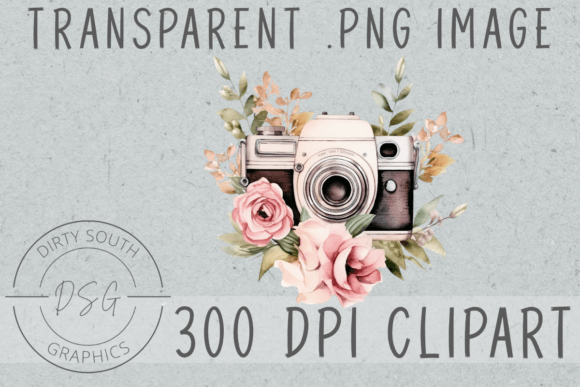
The immediate draw of the Watercolor Vintage Floral Camera is its emotional resonance. It isn’t just a camera; it’s a symbol of memory-keeping, nostalgia, and artistic expression. The watercolor style lends itself to soft edges and blended hues, which creates a gentle, inviting mood. For a designer, this is gold. It suggests a project that feels personal and handcrafted rather than mass-produced.
Visually, the layout is balanced. The floral elements frame the camera body in a way that guides the eye naturally. There is enough negative space around the central subject to allow for easy digitizing or placement, yet enough detail in the petals and leaves to keep the eye engaged. This isn’t a flat, sterile vector shape; it has texture and depth. When you print this out to trace or use as a reference for digitizing, you can see where the light hits the lens and where the shadows fall in the flowers. That visual hierarchy is crucial for creating a finished product that looks professional and intentional.
Real-World Application: Where Does This Design Shine?
In my experience, the best embroidery projects are those that match the medium to the message. A rigid, geometric logo might scream "tech support," but a watercolor floral camera whispers "creative soul." This makes the Watercolor Vintage Floral Camera ideal for specific niches:
- Photographer Branding: Imagine this embroidered on a leather patch attached to a photographer’s vest or a custom apron. It instantly communicates their niche—vintage, film, or portrait photography.
- Personalized Gifts: This is a top-tier choice for wedding gifts, anniversaries, or baby showers. A couple who loves travel and memories would appreciate a sweatshirt or pillow cover featuring this motif. It feels thoughtful and curated.
- Etsy and Small Shop Merchandise: For the Etsy seller or craft business owner, this design bridges the gap between art and utility. It works beautifully on canvas tote bags, kitchen towels, and nursery decor. The soft colors appeal to parents looking for gender-neutral baby items, while the vintage aesthetic attracts older demographics who appreciate retro charm.
- Apparel Decorators: On a high-quality cotton sweatshirt or a linen shirt, this design adds a layer of sophistication. It elevates a basic garment into a statement piece.
However, remember that this is provided as a PNG Image suitable for printing. You will need to convert this into a format your machine understands, whether that involves tracing it yourself or hiring a digitizer to create the actual machine embroidery design. The quality of that conversion will determine the final success of the project.
Technical Considerations and Stitching Challenges
Here is where we get practical. Watercolor designs rely on subtle color transitions and soft gradients. Embroidery machines, however, work with solid threads. If you attempt to replicate the watercolor effect using standard fill stitches, you risk losing the delicate nature of the original image. To make this work, you need to be strategic.
Thread Colors: Do not try to match the exact hex codes of the digital file. Instead, choose thread colors that mimic the *mood* of the watercolor. Use variegated threads for the flowers to simulate the blend of pigments. For the camera body, stick to a solid, muted tone like charcoal or olive green to anchor the design.
Stitch Density and Detail: The fine lines of the camera lens and the tiny details in the flower centers pose a challenge. If your stitch density is too high, the fabric will pucker. If it is too low, the details will disappear. I recommend using a combination of satin stitches for outlines and shorter fill stitches for the colored areas. Avoid dense backstitching for the small details; instead, consider using a running stitch or even applique techniques if you have the skill, to maintain the soft, painted look.
Fabric Choice: This design demands a stable base. It performs best on tightly woven fabrics like cotton twill, denim, or heavy linen. Avoid stretchy knits unless you are using a strong stabilizer, as the distortion can ruin the symmetry of the camera shape. Also, be cautious with dark fabrics. The watercolor palette is likely light and pastel. You may need a cut-away stabilizer or even a backing layer to prevent show-through, which can clutter the design.
Where to Be Careful
There are certain scenarios where this design might struggle. Placing it on a curved surface like a baseball cap requires careful hooping to avoid distortion. Tiny lettering added near the design should be avoided if the resolution of your digitized file is not high enough, as it will become illegible after washing. Furthermore, if you plan to sell these items as commercial embroidery products, ensure you have the proper licensing for the source PNG. Using a digital graphic directly without a commercial license can lead to legal issues, even if you embroider it by hand or machine.
Impact on Product Value and Customer Trust
When a customer buys a handmade item, they are paying for the story and the quality. A well-executed Watercolor Vintage Floral Camera embroidery enhances the perceived value of the product. It signals that the maker cares about aesthetics and detail. In contrast, a sloppy execution can undermine trust.
To build confidence in your handmade product, always test your design on scrap fabric first. Check the thread color contrast against your chosen material. Inspect the small details closely—are the petals distinct, or do they merge into a blob? Test the durability by washing the sample. A finished product that holds up to wear and tear reinforces your brand’s professionalism.
For digital product sellers or those creating printable mockups, this graphic serves as an excellent visual asset. It helps potential buyers visualize the end result, increasing engagement and sales. However, clarity is key. Ensure your mockups accurately represent the scale and texture of the embroidery, so customers know exactly what they are getting.
Final Verdict: Is It Worth the Effort?
Yes, but with conditions. The Watercolor Vintage Floral Camera is a versatile and emotionally appealing design that can elevate a wide range of projects, from personalized gifts to boutique branding. Its success, however, hinges on your execution. You must respect the limitations of the medium. Use appropriate stabilizers, choose thread colors wisely, and pay attention to stitch density.
If you are an embroidery designer looking to add a touch of vintage charm to your portfolio, this graphic is a strong starting point. Just remember that the PNG is a visual guide, not a magic button. The magic happens in your hands, your machine, and your creative decisions. Treat it with care, test thoroughly, and you will create something that customers love and cherish.
Before you start stitching, double-check the technical specifications. The file is 300 dpi and at least 2500×2500 pixels, which provides ample resolution for printing and scaling, but it is not an SVG or a cut file. Plan your workflow accordingly, confirm your commercial rights, and let your creativity shine. This design has the potential to be a standout piece in your collection, bridging the gap between digital art and tactile craft.