Line Art Floral Elements: Essential Graphics and Illustrations for Modern Design
I recently received a brief from a client launching a boutique skincare line, and the mood board was heavy on "clean," "organic," and "high-end." They wanted to avoid the cliché of saturated botanical illustrations in favor something more editorial and refined. This is exactly where Line Art Floral Elements stepped in as a critical component of my workflow. As a designer who frequently navigates the tightrope between aesthetic appeal and commercial viability, I look for assets that offer versatility without demanding excessive manipulation. After testing these files across various mockups and layout scenarios, here is my practical assessment of how this graphic design asset holds up in real-world application.
The First Impression: Minimalist Elegance Meets Commercial Utility
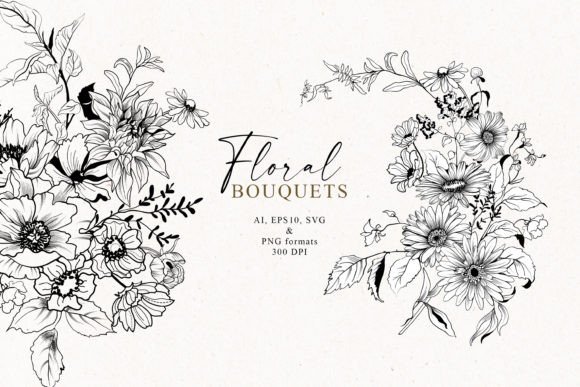
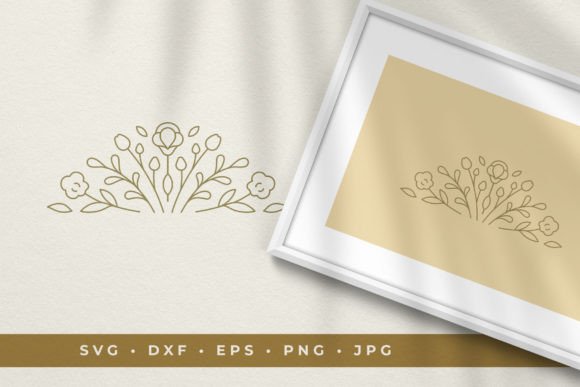
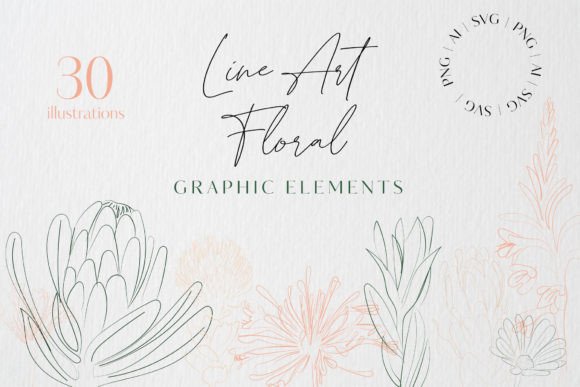
When you first open the folder containing these modern design assets, the immediate takeaway is their restraint. The style is unmistakably contemporary, relying on thin, consistent strokes rather than heavy fills or complex shading. This minimalism is not just an aesthetic choice; it is a functional one. For a brand identity project, you need visuals that do not compete with typography but instead support it. These illustrations provide that perfect balance. They feel airy and sophisticated, making them ideal for small business branding that wants to appear established yet approachable.
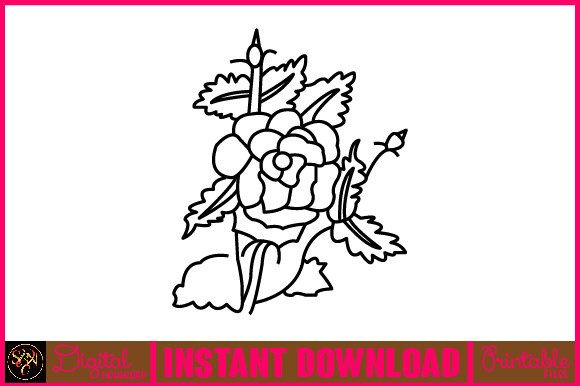
The collection includes 30 distinct floral line art elements, which provides enough variety to create a cohesive visual language without overwhelming the viewer. Whether used as standalone icons or combined into larger compositions, the lines maintain a uniform weight that suggests professional vector quality. This consistency is crucial when building a brand identity where every touchpoint, from packaging to social media graphics, must feel unified.
Real-World Application: From Packaging to Print-on-Demand
In the context of the skincare client’s project, I utilized these elements primarily for packaging design. The clean lines translated beautifully onto matte black boxes, creating a striking contrast that felt luxurious. However, the utility of these design assets extends far beyond product labels. For designers working in print-on-demand, these files are goldmines. The SVG format ensures that when you scale these images for t-shirt design or sticker design, the edges remain crisp and smooth, avoiding the pixelation that often plagues raster-based clipart.
I also tested these elements for wedding stationery concepts. The delicate nature of the line work lends itself perfectly to invitations, save-the-dates, and thank-you cards. It evokes a sense of romance and tradition without feeling dated. Furthermore, for Etsy product creators, these can be easily adapted into digital downloads, such as printable wall art or coloring pages, offering a low-overhead revenue stream. The inclusion of both SVG and PNG formats means you can edit the vectors in Illustrator for custom modifications or use the PNGs directly in tools like Canva for quick social media graphics.
Strategic Placement in Layouts
To maximize impact, these florals perform best when given breathing room. They excel as decorative accents in large layout areas, such as the corners of a flyer or framing a central headline. In editorial design, they can serve as subtle background textures or bullet points for lists. When used in marketing visuals for Instagram posts or Pinterest pins, they add a layer of polish that elevates the perceived value of the content. They are particularly effective in sublimation design for apparel, where the continuous line creates a seamless pattern that wraps naturally around garments.
Where Caution Is Required: Hierarchy and Contrast
No asset is universally perfect, and understanding the limitations of Line Art Floral Elements is part of professional judgment. Because the lines are thin, these illustrations can get lost in crowded layouts. If you are designing a busy poster with multiple competing elements, these florals may fail to register visually. In such cases, you must either increase the size of the illustration or simplify the surrounding design to restore visual hierarchy.
Contrast is another critical factor. On light backgrounds, ensure the line color is dark enough to maintain legibility. Conversely, on dark backgrounds, verify that the stroke width is sufficient to prevent the lines from disappearing into the negative space. These elements are less suitable for projects requiring very clean, rigid corporate materials where bold, geometric shapes might better convey stability. Additionally, while they pair well with serif fonts for a classic look, careful selection of sans serif or handwritten fonts is required to maintain modern cohesion. Always test the combination to ensure the font does not overpower the delicate nature of the illustration.
Practical Designer Notes for Commercial Use
Before integrating these assets into a final deliverable, there are several technical checks every designer should perform. First, always preview the SVG file at actual print sizes to check for any unintended gaps or inconsistencies in the vector paths. Inspect the PNG transparency if you plan to overlay the element on photographic backgrounds; ensure the edges are clean and free of halos. Testing in black and white is also essential to confirm that the design relies on shape and form rather than color dependency.
If you are using these for a Cricut project or cutting machine applications, verify that the internal cut lines are properly closed and simplified to prevent material waste or machine errors. For digital sellers, consider how the asset will appear as a thumbnail in a creative marketplace; high-resolution previews are necessary to showcase the detail. Finally, and most importantly, confirm the commercial license terms. While many of these bundles allow for end-product sales, restrictions often apply to reselling the raw files themselves. Understanding these boundaries protects your client relationship and your own reputation.
Final Verdict
Line Art Floral Elements is a versatile and high-quality addition to any designer’s toolkit. Its ability to enhance textile design, elevate branding, and support web design makes it a valuable resource for diverse creative endeavors. By respecting its strengths in minimalism and its limitations in complexity, designers can leverage these illustrations to create polished, professional results that resonate with audiences. For anyone seeking to add a touch of organic elegance to their graphic design asset library, this bundle delivers significant value.